
Promoting Local Initiatives for Biodiversity Conservation in Nepal's Trans-Himalaya
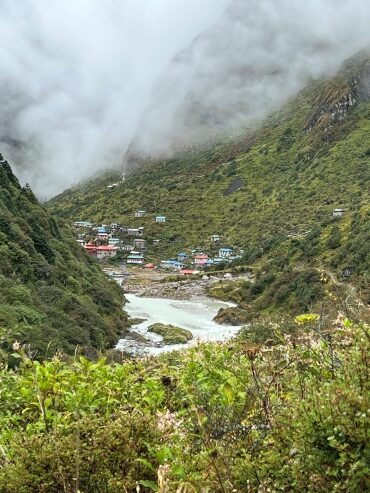
The Trans-Himalayan region of Nepal is rich in biodiversity and provides an important
basis for rural livelihood, particularly to the indigenous and marginalized communities.
THIRD POLE CONSERVANCY
for wildlife and people in the Himalayas
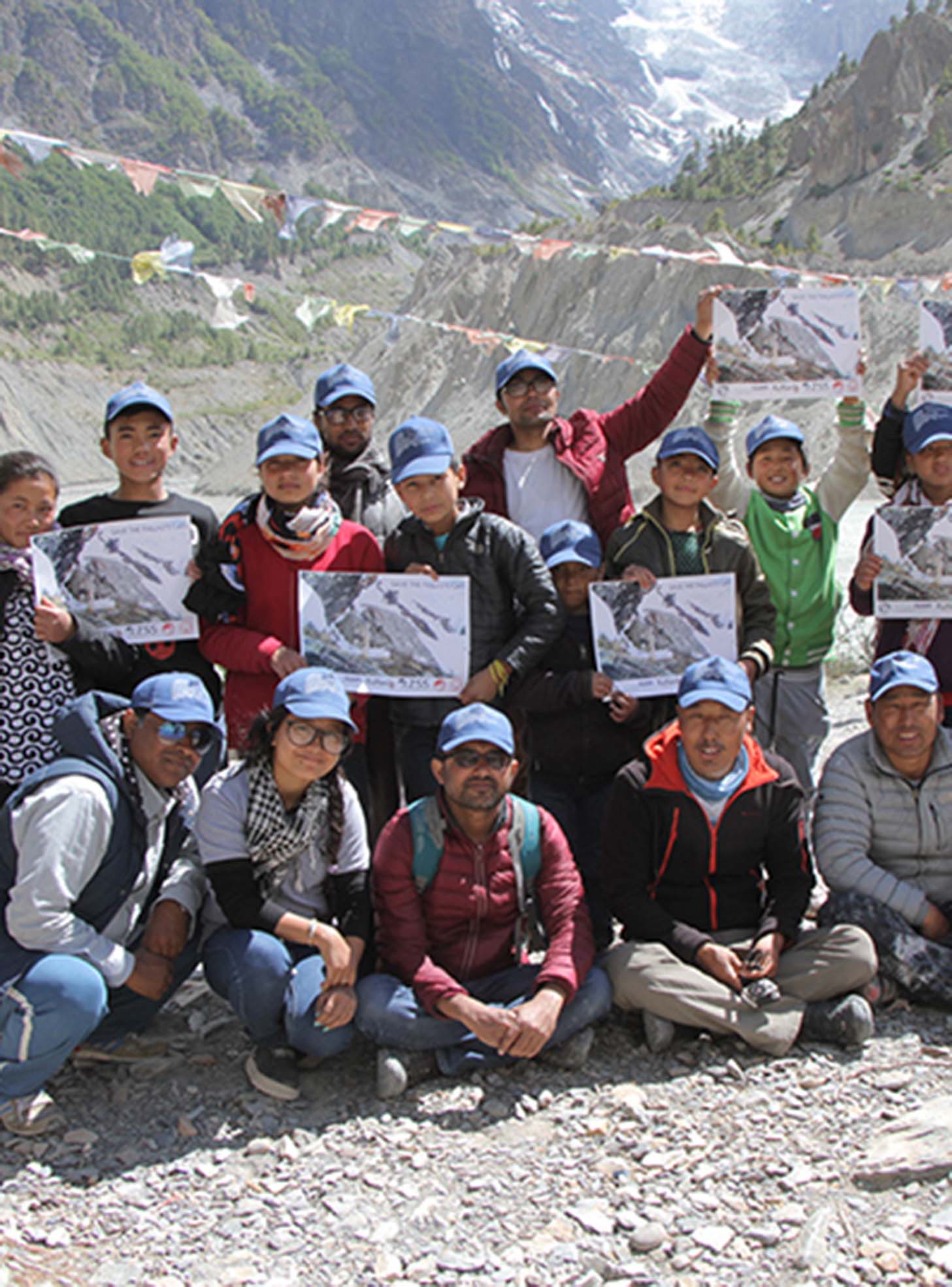
Envision a future where local citizen scientist taking initiative to conserve the wildlife, and local communities supporting their campaign.
THEMATIC AREAS
Species Conservation
Habitat Protection
Working with People
NEWS AND INFORMATION
Ganga Ram Regmi: Coordinator – Clouded Leopard Working Group
Ganga Ram Regmi is a dedicated zoologist with over 20 years of experience in wildlife conservation. He serves as the Coordinator of the Clouded Leopard Working Group (CLWG), established under the Small Wild Cat Conservation Foundation.
Since the group's inception in 2021, Ganga Ram has been leading international collaboration among conservationists across the global range of the Clouded leopard, Marbled cat and Asiatic golden cat. His work focuses on threat mitigation associated with conservation actions to ensure the long-term survival of this elusive species.

Mitra Pandey: Coordinator – Rusty-spotted Cat Working Group
With over 15 years of experience in wildlife conservation, Mitra Pandey is a dedicated zoologist passionate about protecting small wild cats and their habitats. He serves as the Coordinator of the Rusty-spotted Cat Working Group (RSCWG), established under the umbrella of the Small Wild Cat Conservation Foundation.
Since 2023, Mitra has been actively leading collaborative efforts across Nepal, India and Sri Lanka to advance conservation actions for the Rusty-spotted cat, one of the world's smallest wild cat species.
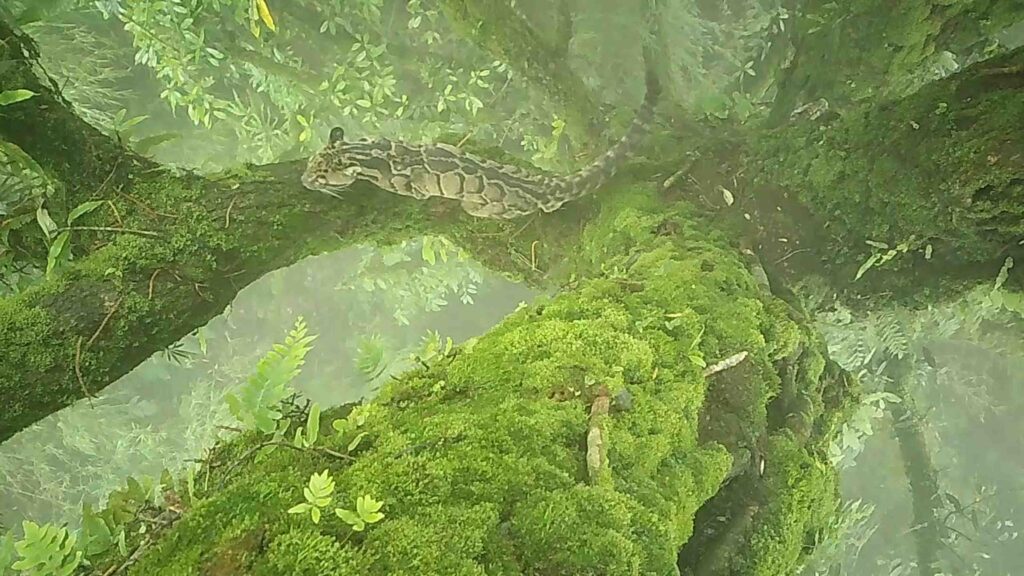
The Clouded Leopard (Neofelis nebulosa) is a rare and elusive wild cat found in Nepal’s subtropical and temperate forests. It plays a vital role in maintaining healthy forest ecosystems but faces threats from habitat loss, fragmentation and retaliatory killing. The Clouded Leopard Working Group (CLWG) is dedicated to conserving this unique species through several threat mitigation activities, monitoring and awareness programs. The group collaborates with government agencies, conservation organizations, researchers and local communities to improve knowledge of Clouded Leopard ecology and distribution, strengthen conservation actions and promote long-term protection of Clouded Leopards and their forest habitats across its range countries.
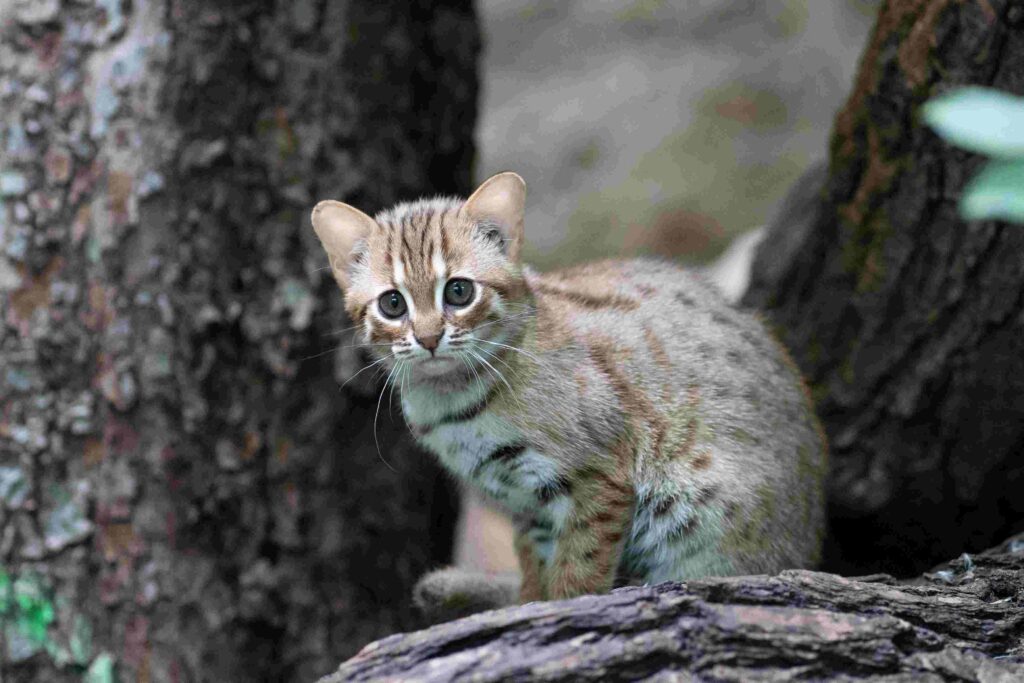
The Rusty-spotted Cat (Prionailurus rubiginosus) is the world’s smallest wild cat. It occurs mainly in the lowland forests and grasslands of the Terai region, including protected areas such as Bardia National Park and Suklaphanta National Park. Despite its small size, it is an efficient predator that contributes to ecosystem balance by controlling populations of small mammals and birds. The Rusty-spotted Cat Working Group (RSCWG) works to advance research, monitoring and conservation of this species. Through collaboration with researchers, conservation organizations, government agencies and local communities, the group promotes awareness and supports long-term conservation efforts across its range countries.
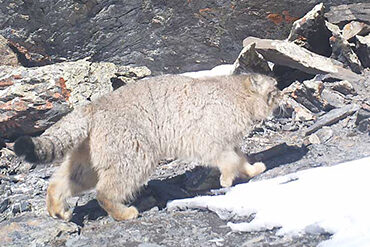
Pallas’s Cat (Otocolobus manul), also known as the Manul, is one of Nepal’s rarest and most elusive wild cats. It inhabits the cold, arid landscapes of the Trans-Himalayan region, particularly in areas such as Upper Mustang, Dolpa and Manang. Adapted to high-altitude environments above 3,000 meters, the species has dense fur that helps it survive extreme temperatures. Unlike many other wild cats, Pallas’s Cat has round pupils and a stocky body, giving it a distinctive appearance. It primarily feeds on pikas, rodents,and small birds. Habitat degradation, declining prey populations, and climate change pose significant challenges to its conservation in Nepal.
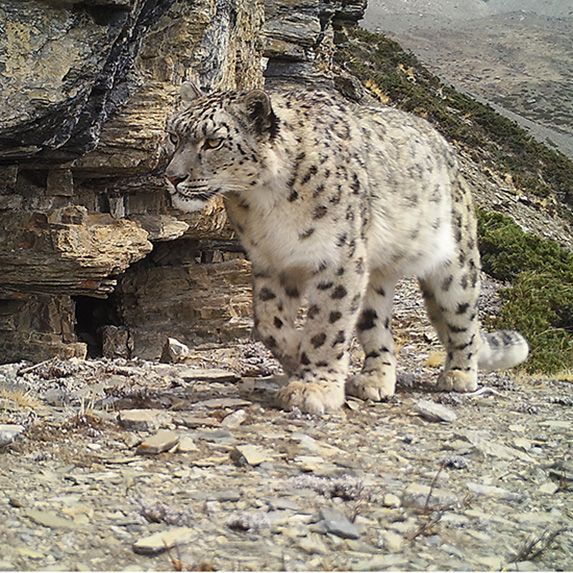
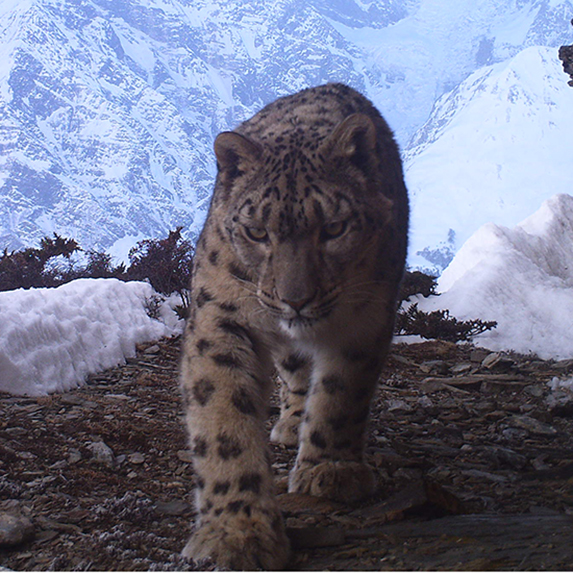
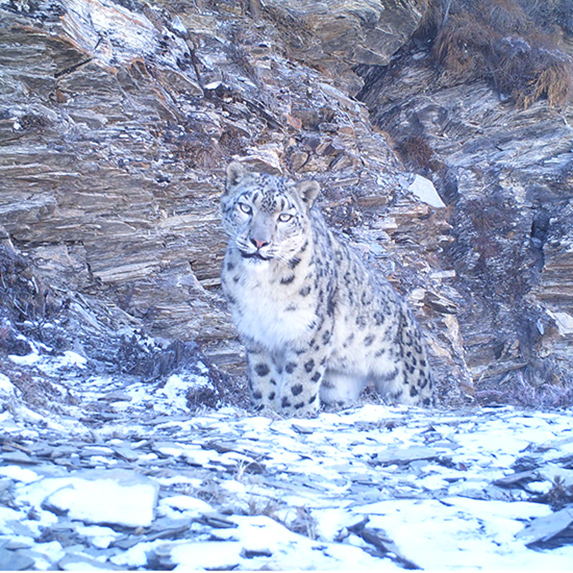
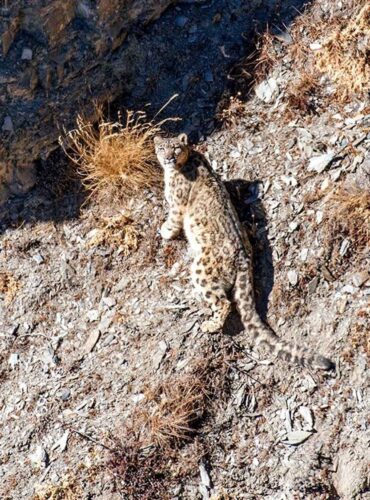
The Snow Leopard (Panthera uncia) is one of Nepal’s most iconic and elusive wild cats, inhabiting the rugged high-altitude landscapes of the Himalayas. Found at elevations between 3,000 and 5,500 meters, it occurs in areas such as Shey Phoksundo, Sagarmatha, Langtang and Kanchenjunga. Adapted to extreme cold, the Snow Leopard has thick fur, powerful limbs and a long tail that helps maintain balance on steep terrain. As a top predator, it plays a vital role in maintaining the ecological balance of mountain ecosystems. Major threats include habitat degradation, declining prey populations, climate change and human-wildlife conflict.
"
"We truly earn the title of civilized' when every creature roams freely and fearlessly across the breathtaking landscapes of our precious Earth."
Jane Miller
PUBLICATION
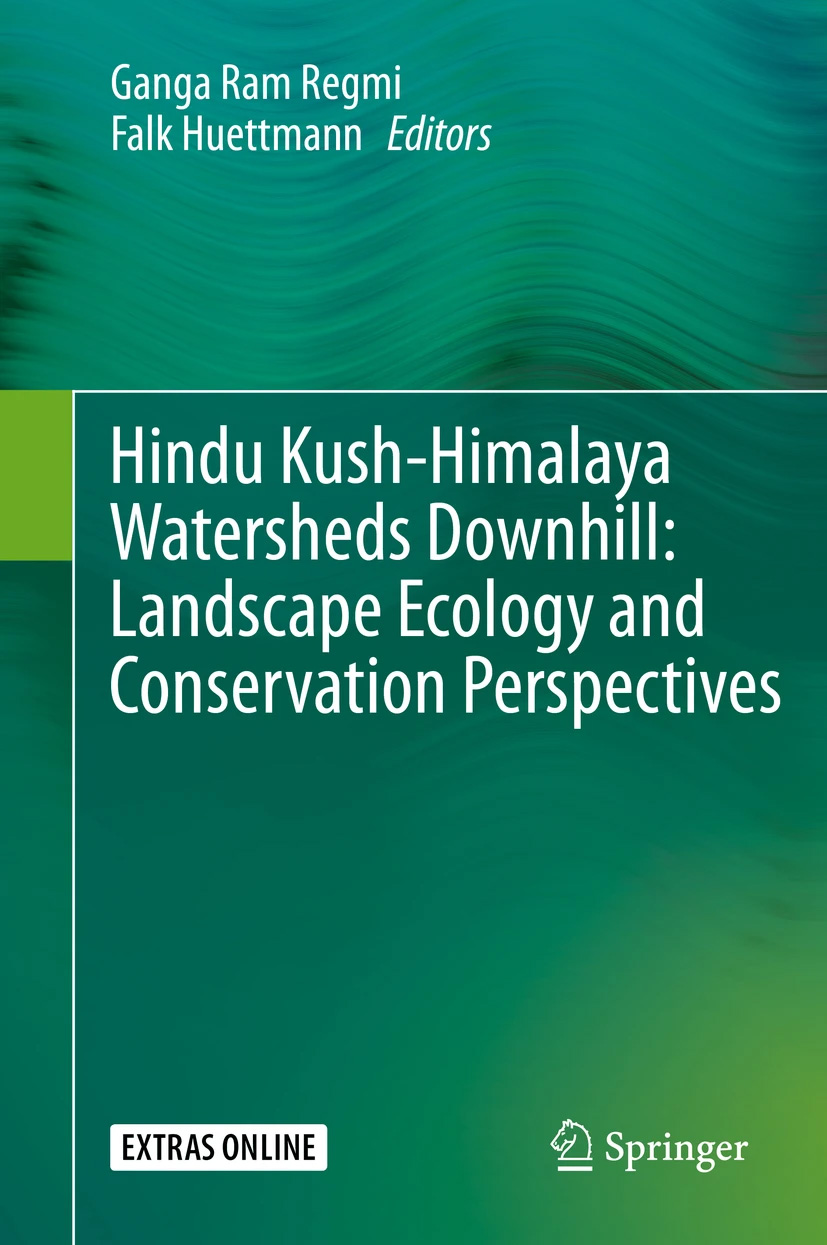
Hindu Kush-Himalaya Watersheds Downhill: Landscape Ecology and Conservation Perspectives
GALLERY
DONORS AND PARTNERS